

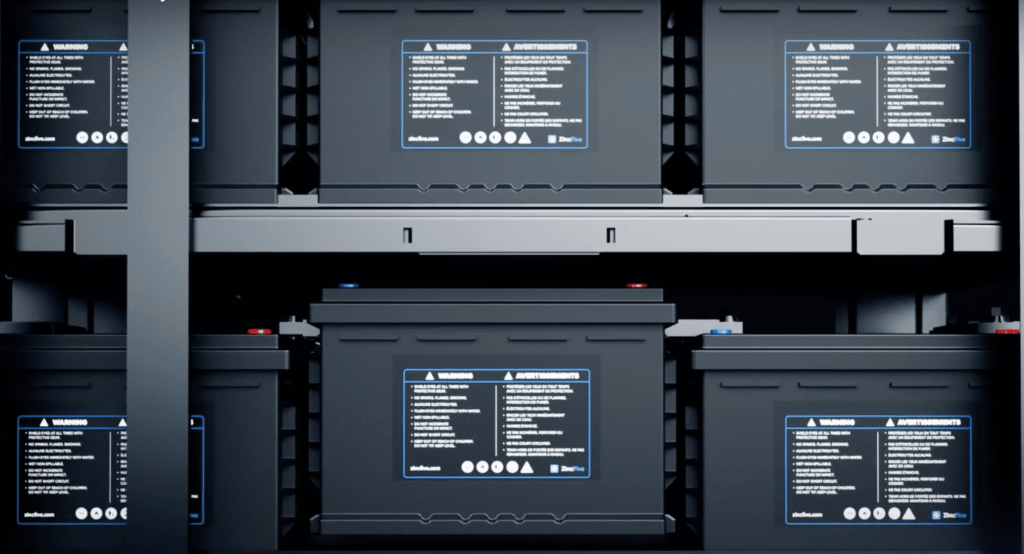
Selection of Lithium Battery Pack
Lithium battery packs have revolutionized the energy storage industry. They power a wide range of devices, from smartphones to electric vehicles, due to their high energy density and long lifespan.
Understanding Lithium Battery Packs
Lithium battery packs, particularly lithium-ion (Li-ion) batteries, have become essential in modern technology. Their popularity stems from high energy density, long cycle life, and quick recharging capabilities.
Lithium Battery Pack Construction
Key Components
- Cathode: Made from lithium cobalt oxide (LiCoO2) or lithium iron phosphate (LiFePO4), releasing lithium ions during discharge.
- Anode: Typically composed of graphite, where lithium ions are stored during charging.
- Separator: A membrane preventing direct contact between the anode and cathode while allowing ion flow.
- Electrolyte: A substance facilitating ion movement, usually containing lithium salts like LiPF6.
Design and Planning
- Determine Requirements: Define voltage, capacity, and power needs.
- Cell Selection: Choose between cylindrical, prismatic, or pouch cells.
- Configuration: Decide series and parallel connections.
- Thermal Management: Plan for heat dissipation.
How Lithium Battery Packs Work
- Charging: Lithium ions move from cathode to anode, storing energy.
- Discharging: Ions flow back to cathode, generating an electric current.
How to Select the Best Lithium Battery Pack
Factors to Consider
- Capacity (Ah): Ensures the battery meets energy needs.
- Voltage (V): Matches the device’s requirements.
- Battery Chemistry: Choose LiFePO4, LiCoO2, LiMn2O4, or NMC based on application.
- Cycle Life & DoD: Affects longevity and performance.
- Safety Features: Includes BMS, thermal management, and short-circuit protection.
- Size & Weight: Important for portability.
- Cost: Evaluate long-term value.
- Brand & Warranty: Choose reputable manufacturers with good warranty policies.
