

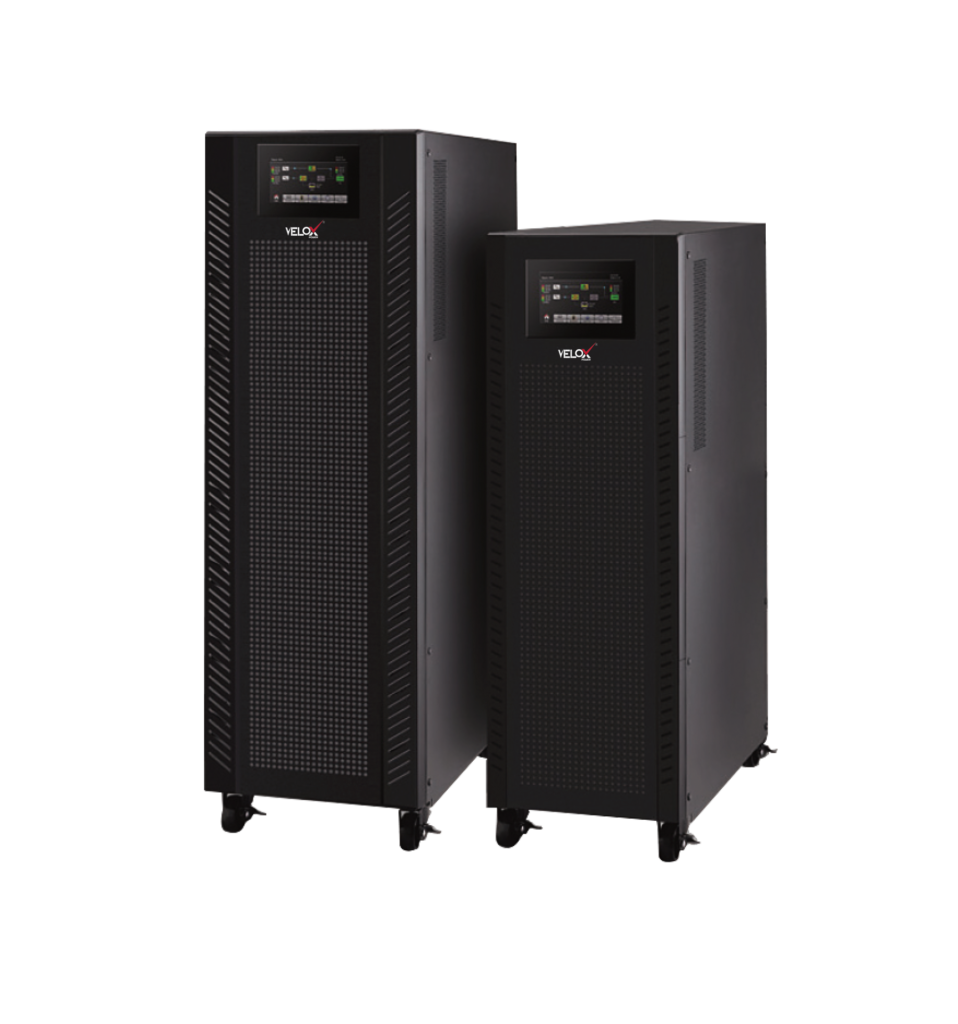
In today’s highly digital and interconnected world, maintaining a consistent and reliable power supply is crucial for both businesses and individuals. An Uninterruptible Power Supply (UPS) system offers an invaluable solution by providing backup power in the event of a power outage or fluctuations.
1. Protection Against Power Interruptions
One of the primary benefits of a UPS is its ability to provide immediate power during an outage. This is particularly important for critical applications such as medical equipment, data centers, and communication systems where even a brief loss of power can have severe consequences. A UPS ensures that operations continue seamlessly without interruption.
2. Safeguarding Data
Power interruptions can lead to data corruption or loss, especially if they occur during critical operations. A UPS provides the necessary time to save work and properly shut down systems, thus protecting data integrity. This is essential for businesses that rely on large databases and need to ensure the safety of their information.
3. Protection from Power Surges and Spikes
Power surges and spikes can damage sensitive electronic equipment. A UPS often includes surge protection, shielding devices from irregular power flow and extending their lifespan. This is particularly useful in environments with frequent electrical disturbances.
4. Supporting Critical Systems
Certain operations cannot afford any downtime, such as hospitals, financial institutions, and telecommunication services. A UPS ensures that these critical systems remain operational, providing a buffer time to either switch to a backup generator or safely shut down equipment.
5. Enhanced Power Management
Modern UPS systems come with software that allows for advanced power management. This includes monitoring power quality, battery health, and system load. Such features help in preemptive maintenance and efficient power distribution, ensuring optimal performance and longevity of both the UPS and connected devices.
